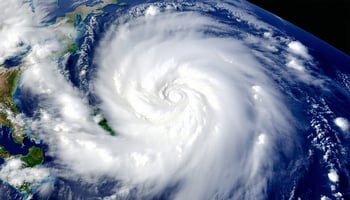
When Hurricane Maria devastated Puerto Rico in 2017, it took more than two years for many insurance...
Reinsurance: Understanding Key Cat Bond Terminology
Catastrophe bonds are a newer asset class to many investors, and as such, there are many new terms and concepts to learn. Since cat bonds are an insurance-linked security, investors are likely to be introduced to the concept of “reinsurance.” But what is reinsurance, and how does it impact cat bonds?
At the highest level, reinsurance is insurance for insurance companies.
Individuals purchase insurance to mitigate the chance of potential losses and limit their liability if some event might occur. The companies providing that insurance are also looking to minimize their risks if events occur.
Imagine a homeowner who purchases an insurance policy to cover property damage sustained from a natural disaster. The insurance company that issued that policy is also looking to protect itself from potential losses. A reinsurance contract is when a secondary insurance company (the reinsurer) agrees to indemnify the insurance company who wrote that homeowners policy.
Reinsurance is a critical component of the insurance industry in that it allows insurance companies to transfer a portion of the risk - particularly for large-scale events like hurricanes, wildfires, and earthquakes - onto other entities so they aren’t responsible for the full amount of financial loss, which can reach billions of dollars. The reinsurer collects premiums from an insurer, and issues pay-outs when insurance claims exceed some previously agreed-upon threshold. This risk-sharing process helps protect the originating insurance company from financial collapse and allows them to continue writing policies and offering affordable premiums even after a disaster.
What does reinsurance mean as it relates to cat bonds? The reinsurance companies have a finite capacity. Like the originating insurer, the reinsurer can only take on so much risk before it impacts their own balance sheets. This is where cat bonds come in. Cat bonds are vehicles for insurance securitization that further extend the risk of triggering events (like natural disasters), thus helping to further expand insurance capacity and bringing in a new source of funding through the capital markets.
Issued as a bond through a special purpose vehicle, cat bonds become another form of reinsurance, performing a similar function but ultimately transferring risk to investors, not necessarily another insurance company. The investors’ capital is held in trust in the cat bond’s special purpose vehicle and only used to cover claims if some predetermined event occurs before a fixed period ends. Investor capital is typically invested in U.S. Treasury Money Market Funds generating some (albeit limited) returns during the life of the cat bond and investor capital can be returned if the attachment point is not reached before the end of the cat bond’s life.
In summary:
- Catastrophe bonds are essentially a form of market-based reinsurance.
- Cat bonds help expand the global reinsurance system while providing investor opportunity.
Reinsurance helps our financial ecosystem manage catastrophic risks and cat bonds are in a supporting role and provide a way for the system to access additional capital. Reinsurance policies and cat bonds work together to make the insurance ecosystem more resilient and potentially avoid insolvency in the face of serious catastrophic disasters.
***
Key Sources
Brookmont Capital Management Research, 2025
Insurance Information Institute “Facts + Statistics: Catastrophe bonds and other insurance-linked securities”
Reinsurance Association of America “What is Reinsurance”
Agent Sync “Catastrophe Bonds: Definition, Benefits, How to Structure,” March 2025
Federal Reserve Bank of Chicago, Chicago Fed Letter, No. 405, 2018: “Catastrophe Bonds: A Primer and Retrospective”
Artemis BM